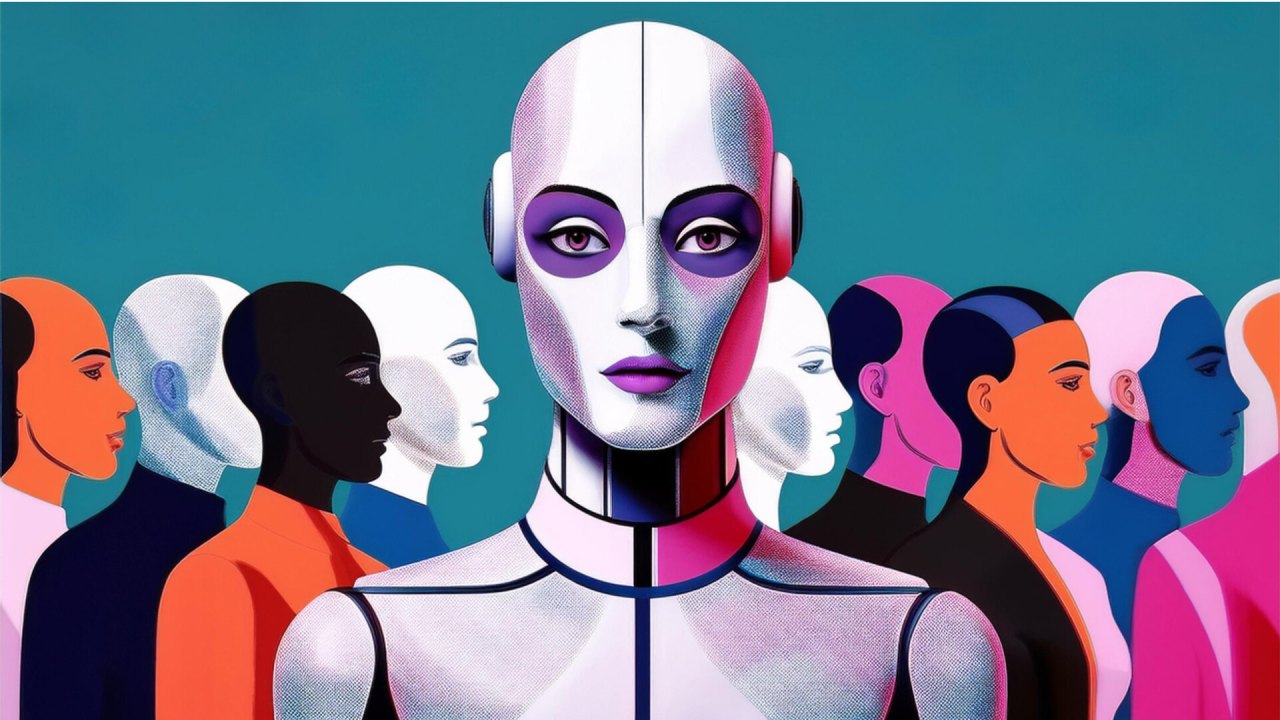
The 2010 definition of "digital literacy" is a relic. It suggests that literacy is a destination—a set of static skills like knowing how to navigate a spreadsheet or join a Zoom call. In 2026, where AI doesn’t just assist our workflows but actively reshapes them, that definition is professionally dangerous. As a product leader who spends my days architecting design systems and automating workflows with LLMs, I’ve realized that true literacy isn’t about knowing how to use a tool. It’s about having the "Critical Fluency" to challenge it.
For me, being digitally literate means being a high-level evaluator of information. It’s recognizing that every prompt sent to a generative model is a strategic decision involving data integrity and security. It requires the backbone to verify AI-generated outputs—looking for the subtle "hallucinations" or biases...before they ever touch an enterprise-grade design system. On any given Tuesday, this manifests as auditing a piece of AI-suggested code or refining a Figma variable architecture to ensure it scales globally without breaking.
My career has taught me that the most effective leaders don't just master software; they master the entire digital ecosystem. This perspective, echoed by researchers like Belshaw (2011) and Martin (2008), proves that in a volatile economy, our greatest asset is adaptability. We must be able to pivot the second a platform changes its terms of service or a new model drops.
Ultimately, digital literacy is about communication. It is the ability to bridge the gap between a complex technical backend and a clean, intuitive user experience. It’s the wisdom to take a sophisticated digital strategy and make it make sense to a room of stakeholders. In 2026, literacy isn’t about the tools we use; it’s about the human responsibility we take for what those tools produce.
Originally published on LinkedIn.